Apple's first folding iPhone starts at $1,999, and one Sandusky family is trying to figure out what else two grand buys on the Lake Erie shore.
What actually happened
Apple on Wednesday, Sept. 9, 2026, unveiled its latest generation of iPhones, including a widely anticipated foldable version called Duo. The company's new CEO, John Ternus, who took over from Tim Cook on Sept. 1, introduced the lineup at Apple's Cupertino, California, headquarters, telling the audience inside the Steve Jobs Theater that "actually there is one more thing," in a nod to the trademark phrase of the company's late founder, Steve Jobs.
The Duo opens to a 7.6-inch display that is 80 percent larger than the newest iPhone 18 Pro, which Ternus called the largest display ever on an iPhone, "yet fits into your pocket." It will let people use an Apple Pencil on the phone, a capability previously reserved for iPad users, and split the screen to use two different apps, or two windows of the same website for things like comparison shopping. With a starting price of $1,999, it is the most expensive iPhone yet, and it will be available on Oct. 23.
Apple also announced the iPhone 18 Pro and 18 Pro Max, starting at $1,199 and $1,299 respectively, with preorders beginning Sept. 12 and availability Sept. 18. Many of Apple's biggest rivals, such as Samsung, Motorola and Google, have already come out with foldable smartphones. Ben Wood, chief analyst at CCS Insight, said the Duo "was always going to eclipse Apple's other announcements at the event," while noting that foldables still account for less than 5 percent of the overall smartphone market. The iPhone 18 costs about $100 more than earlier generations, due partly to a global memory chip shortage.
Meanwhile, in Ohio
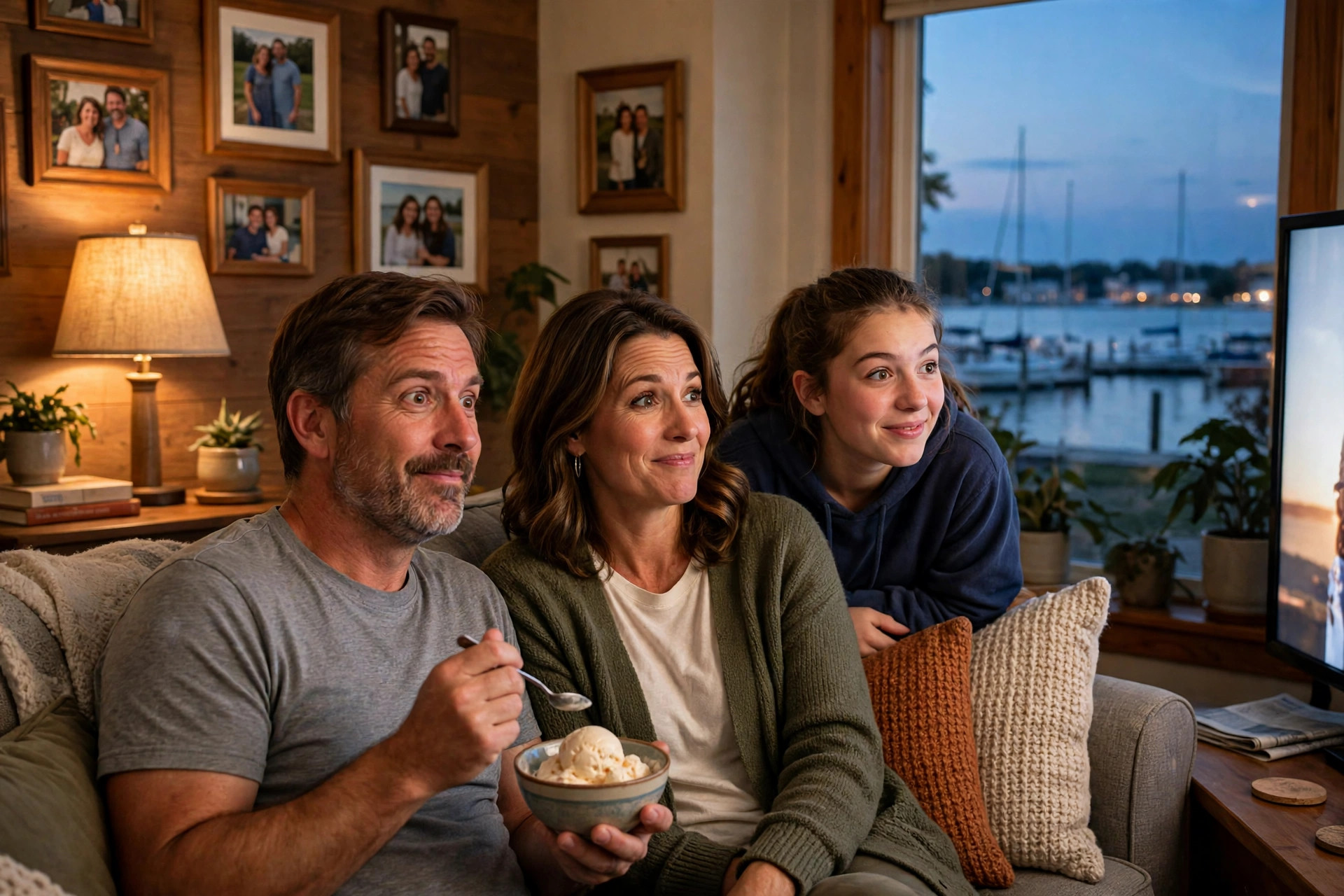
SANDUSKY, Ohio — Mark Kowalski had been saving for a new phone since spring, and he had a plan: wait for the September Apple event, watch it on the living-room TV with a bowl of Toft's ice cream, and then make a responsible adult decision. The plan survived about eleven minutes. "Two thousand dollars," he said, staring at the folding phone on the screen. "That's a Cedar Point season pass for the whole family, plus the meal plan, plus parking, and I'd still have money left over for the drive-thru at the end of the pier."
His wife, Denise, was less impressed by the folding part and more impressed by the price tag. She pointed out that their current phones still work fine, that the kids have already cracked two screens this year between the Blue Streaks football games and the Lake Erie beach, and that a phone that folds in half is, in her words, "just twice as many ways for a teenager to break it." Their daughter, 15-year-old Grace, disagreed on every point, noting that the Duo's giant screen would be perfect for watching Buckeyes highlights in the Cedar Point line for Steel Vengeance, and that she had already worked out a payment plan involving her birthday money, her babysitting money, and what she described as "a small loan from the Tooth Fairy, retroactively."
By Thursday morning, the Kowalskis had reached a compromise, the way Sandusky families always do: nobody is buying a $1,999 phone, but Mark is allowed to go look at one when it comes out in October, and Grace is allowed to come along, provided she leaves her wallet in the car. "It's a beautiful piece of technology," Mark said, folding his own phone shut — it does not fold, and never will — "but it doesn't fold into a boat, and it doesn't get you on Millennium Force any faster."
“Two thousand dollars. That's a Cedar Point season pass for the whole family, plus the meal plan, plus parking, and I'd still have money left over for the drive-thru at the end of the pier.”
— Mark Kowalski, Sandusky
“A phone that folds in half is just twice as many ways for a teenager to break it. We already cracked two screens this year, and football season isn't even over.”
Employers added 162,000 jobs in August — nearly triple what economists expected — and one Defiance machine shop still can't fill a single second-shift opening.
What actually happened
The U.S. economy added 162,000 jobs in August 2026, the Bureau of Labor Statistics reported on Friday, September 4 — nearly triple what economists had expected and well above the average monthly gain of 31,000 over the prior 12 months. The unemployment rate was unchanged at 4.1 percent, and the number of unemployed people changed little, at 7.0 million.
Employment grew most in food services and drinking places, which added 59,000 jobs, and in local government education, which added 42,000. Manufacturing added 16,000 jobs and health care added 13,000, while the information industry lost 23,000. Average hourly earnings rose 10 cents to $37.75, up 3.1 percent over the year, and the labor force participation rate edged up to 61.6 percent.
The report also revised the previous two months upward: June's gain was raised by 11,000, from 20,000 to 31,000, and July's initially reported loss of 23,000 jobs was revised to a gain of 21,000, leaving June and July combined 55,000 jobs higher than previously reported.
Meanwhile, in Ohio
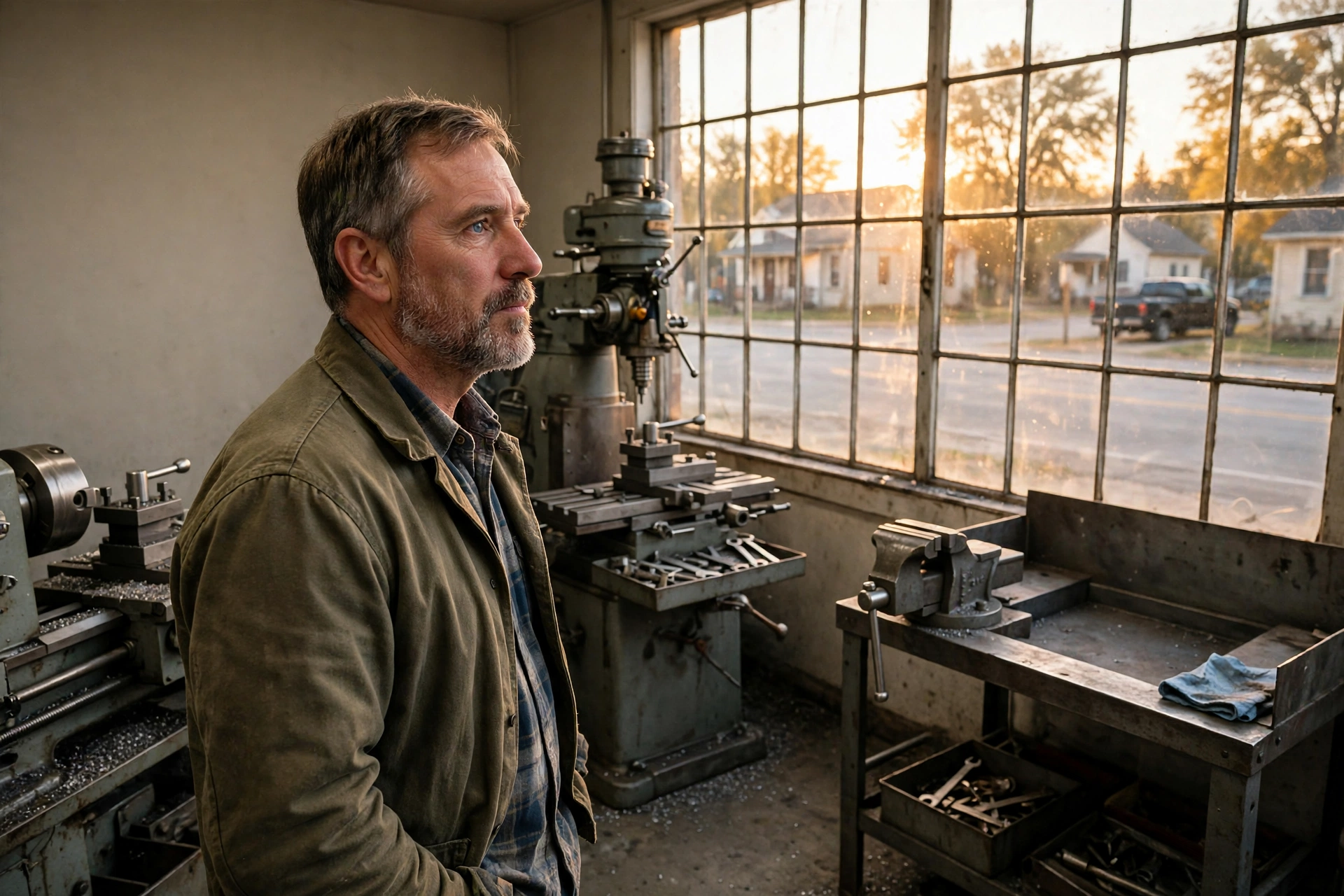
DEFIANCE, Ohio — Tom Schroeder did everything right. He raised the starting wage at his machine shop on the north side of town, he put a "Now Hiring" sign in the window big enough to read from the Maumee River, and he even started offering a $500 bonus to any employee who brought in a friend willing to work second shift. On Friday morning, he learned that the entire American economy had added 162,000 jobs in August. His open position remained, in his words, "as open as it has ever been."
"Food services added 59,000 jobs," Tom said, reading the report on his phone during his lunch break at Cabin Fever Coffee. "Fifty-nine thousand. I can't get one machinist. One. I would take half a machinist at this point. I would take a machinist who only works Tuesdays." The report's other headline numbers offered little comfort: unemployment held steady at 4.1 percent, and July's initially reported loss of 23,000 jobs turned out, on revision, to have been a gain of 21,000. Tom's wife Karen noted that the national economy's rebound had one clear flaw. "Everybody's hiring," she said. "That's the problem. When nobody's hiring, you can hire somebody. When everybody's hiring, you're just another guy with a sign."
The Schroeders are now considering more aggressive measures, including a booth at the Defiance County Fair, a sponsored announcement at the next Defiance High School football game, and — Tom's idea, which Karen has vetoed twice — painting the open position on the side of his truck. "The Buckeyes can't help me, the Browns can't help me," Tom said. "I just need one person who knows what a lathe is and doesn't mind working until eleven. Is that too much to ask in the greatest hiring market in American history? Apparently."
“I put the sign up in June. I have interviewed eleven people. Nine of them already had jobs, and the other two wanted to know if we had air conditioning, which — fair question, honestly.”
— Tom Schroeder, Defiance
“He came home and said, 'Honey, the whole country is hiring.' I said, 'Tom, the whole country has been hiring since 2021. You are not special.'”
For the first time ever, Alexander disease has an FDA-approved treatment — and one Ohio University lab in Athens celebrated like the Bobcats just beat Ohio State.
What actually happened
The U.S. Food and Drug Administration on September 3, 2026 approved Zanvastro (zilganersen) injection for the treatment of Alexander disease in pediatric and adult patients. It is the first FDA-approved treatment for Alexander disease and the first therapy to directly target the protein buildup that drives the disease.
Alexander disease is a rare, progressive neurological disorder caused by mutations in the gene that produces glial fibrillary acidic protein, or GFAP. When the protein is abnormal, it accumulates in the brain's supportive cells, causing damage to the nervous system over time. The disease affects less than 1 in a million people and can cause seizures, loss of developmental milestones, difficulty walking, muscle weakness, and increased pressure in the brain. Until now, patients had no approved treatment options, only supportive care.
Zanvastro is an antisense oligonucleotide that reduces production of the abnormal GFAP protein before it can accumulate. It is given as an injection into the spinal canal every three months by a trained health care professional. In a multicenter, randomized, controlled study of 49 patients aged 2 and older, patients aged 5 and up with walking difficulties who received Zanvastro showed significantly better walking speed at 61 weeks than those who received no treatment. The approval was granted to Ionis Pharmaceuticals, and the drug received Orphan Drug, Fast Track, Breakthrough Therapy, and Rare Pediatric Disease designations.
Meanwhile, in Ohio
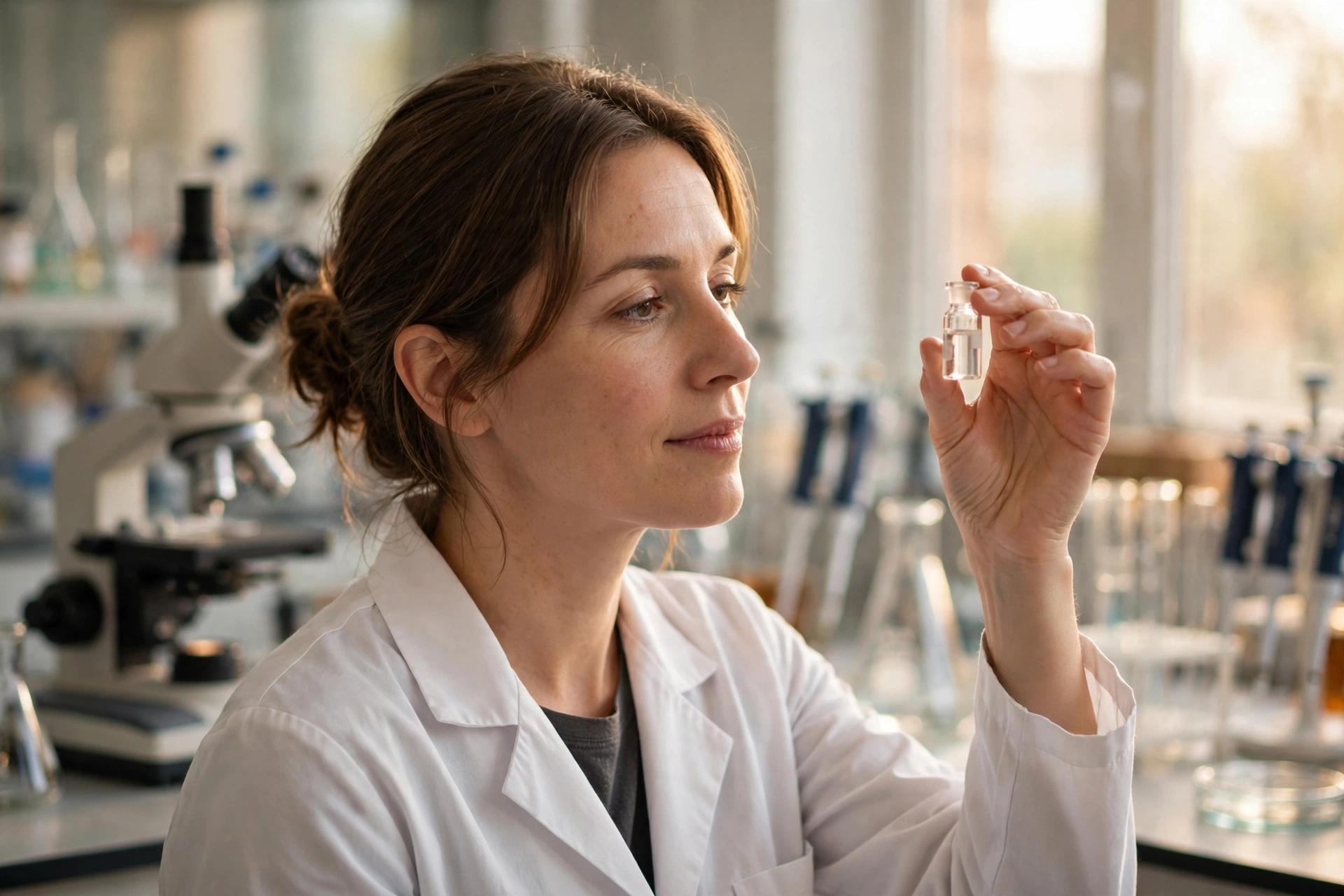
ATHENS, Ohio — Molly Delaney was three coffees deep into a Thursday afternoon in her Ohio University neuroscience lab when the email arrived: the Food and Drug Administration had approved Zanvastro, the first treatment ever cleared for Alexander disease, a rare and progressive neurological disorder caused by a faulty protein called GFAP — the very protein Molly has spent four years studying under a microscope on the bricks of the Athens campus. She read the announcement twice, stood up, and announced to the lab that she was buying everyone dinner on Court Street.
"People hear 'rare disease' and they think it doesn't matter, because it's only a few hundred people," Molly said, still wearing her lab coat at the counter of a Court Street diner that evening. "But for those families, there has never been anything. Not one approved drug. Just supportive care while the disease gets worse. And now there's a drug that goes after the actual protein causing the damage. That's not a small thing. That's the whole thing." Her father Frank, a retired high school football coach from the Athens area, drove in from the county fairgrounds, where he had been setting up a booth, to join the celebration. "She tried to explain the science to me once," he said. "I understood about every fourth word. I understood this one, though: first treatment ever."
Back in the lab on Friday, Molly taped a printout of the FDA announcement to the wall next to a Bobcats schedule and a photo of her cohort at last fall's homecoming parade. The drug, made by Ionis Pharmaceuticals, is given as an injection into the spinal canal every three months, and in the pivotal trial patients who received it kept their walking speed far better than those who went untreated. "Nobody in this lab cured anything," Molly said. "But somebody, somewhere, spent ten years turning this protein from a mystery into a medicine, and today they got to watch the FDA say yes. Around here, that is worth at least one very loud dinner on Court Street."
“Four years I have stared at GFAP under a microscope, and my own mother still thinks I study geckos. Today, for the first time, I got to call her and say, 'Mom, it worked. Somebody's kid gets a drug because of this protein.'”
— Molly Delaney, Athens
“She texted me a link to the FDA announcement and then just the words 'IT'S REAL' in all caps, and I have never been prouder, even if I still have no idea what a glial fibrillary acidic protein is.”
A Chillicothe family watched Ohio fall to Nevada, then watched Curaçao rout Nevada 11-2 to win the Little League World Series.
What actually happened
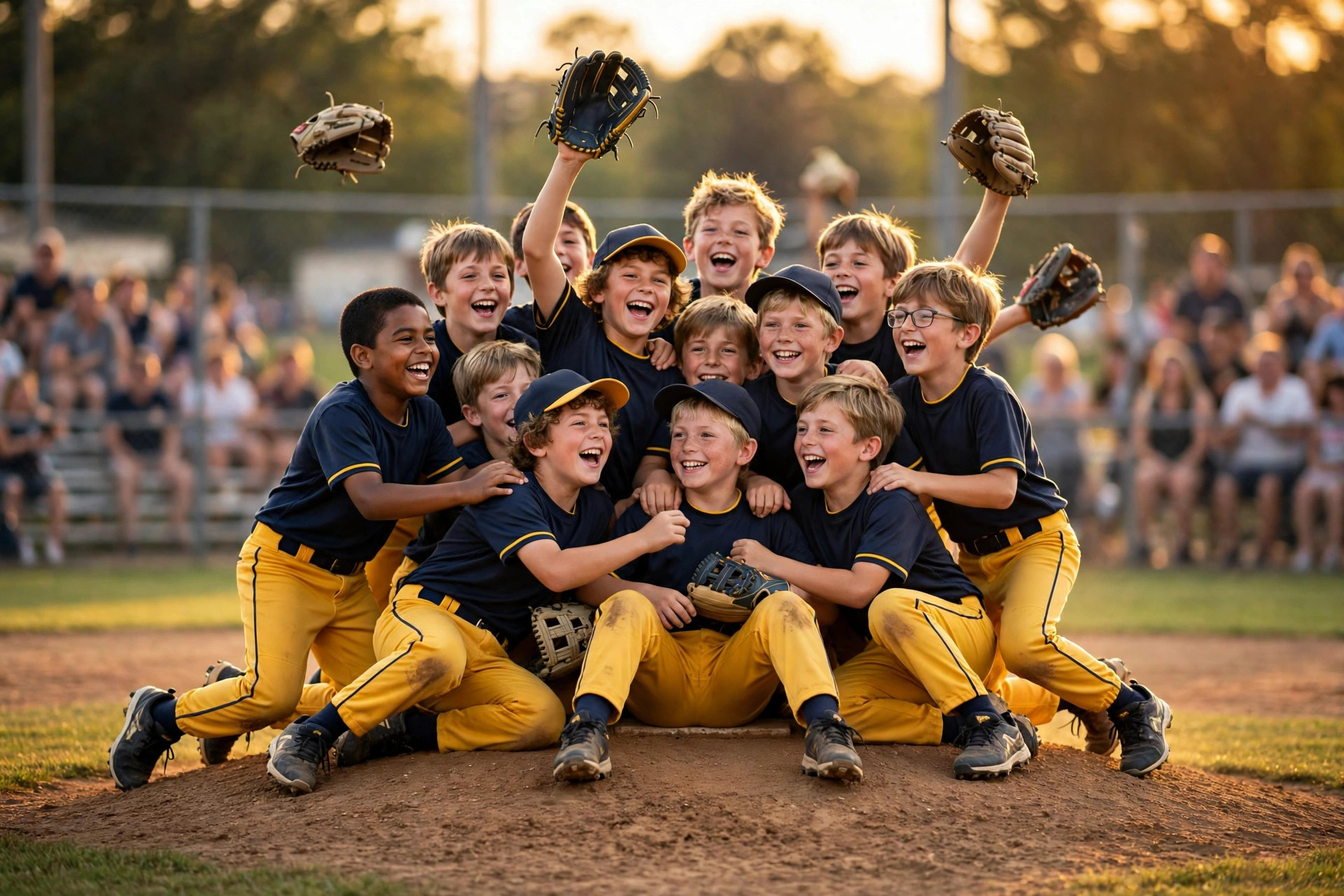
Curaçao won its second Little League World Series title on Sunday, Aug. 30, 2026, beating Nevada 11-2 in the championship game at South Williamsport, Pennsylvania. Juriënsly De Windt and Shardijon De Lanoi each drove in three runs for the Pariba Little League team from Willemstad, which went unbeaten in the double-elimination tournament and won the island's first title since 2004.
Nevada, the United States champion from Henderson, jumped out to a 2-0 lead in the first inning on Maddox Bryan's two-run single, but Curaçao tied it on De Lanoi's two-run single, took the lead for good on Jaymiëll Martina's two-run double in the fourth, and broke it open when De Windt cleared the bases with a double in the fifth. De Windt started on the mound and allowed two runs, one earned, in three innings, and Giendry Ryan and Steven Felix were nearly flawless in relief, striking out four over the final three innings.
Nevada was the runner-up for the second straight year, having fallen to Taiwan in the 2025 championship game. Carsynn Meyer became the first girl to play for the United States in the championship game; she had gotten the first hit by a girl in the U.S. championship a day earlier, when Nevada beat Ohio on Saturday to win the U.S. title.
Meanwhile, in Ohio
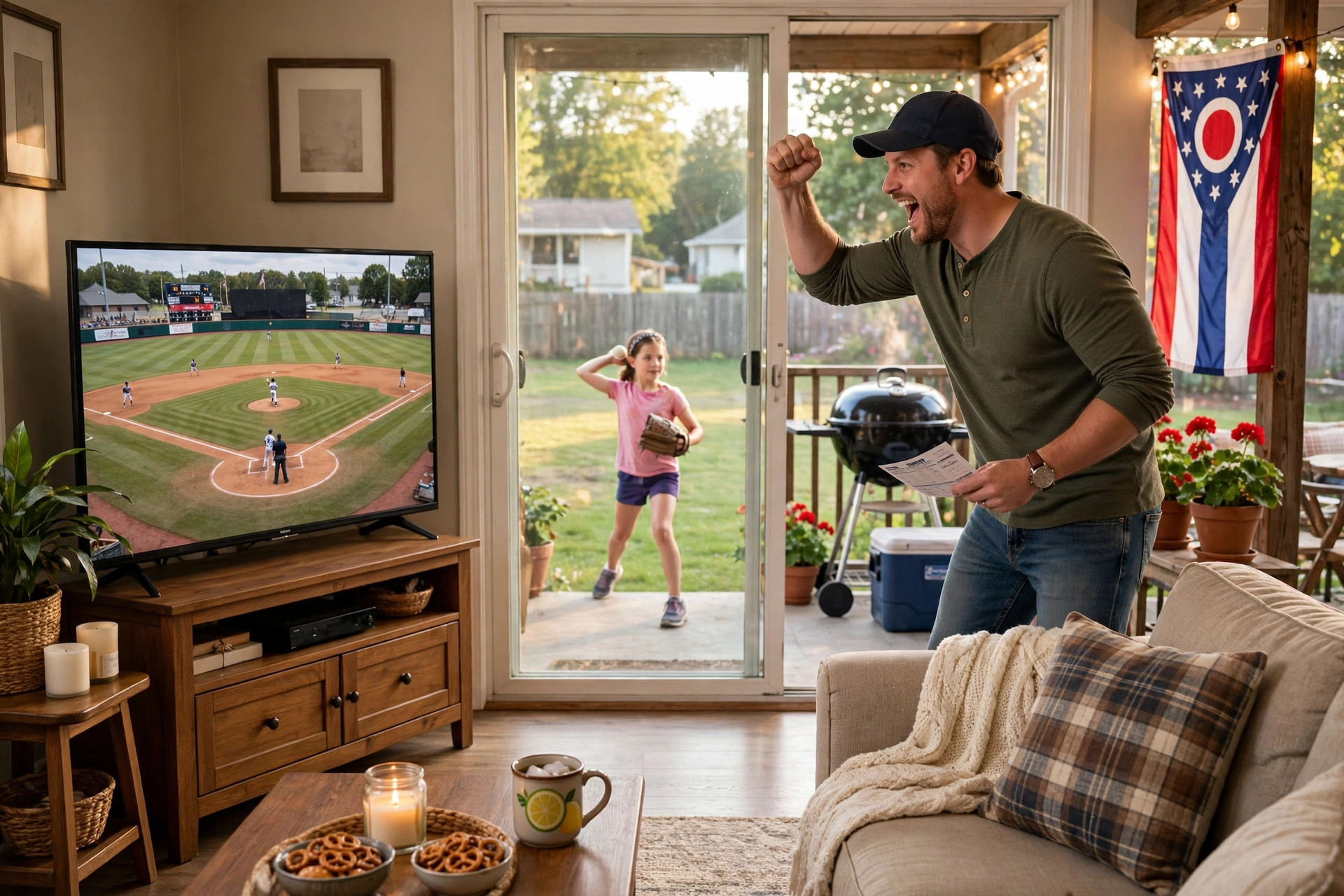
CHILLICOTHE, Ohio — The Miller family had the whole Sunday planned around a baseball game in Pennsylvania they were watching from a couch in Chillicothe. Tom Miller, who coaches his son's Little League team at Yoctangee Park, had stocked the cooler, fired up the grill, and hung an Ohio flag on the porch after Hamilton, Ohio, made its run to Williamsport. Then Nevada beat Ohio on Saturday, and the flag came down before the burgers were even off the grill.
"We went from planning a parade route down Paint Street to rooting for a team from an island most of us couldn't find on a map," Tom said, flipping a burger with one hand and holding a scorecard with the other. "By the fifth inning I was standing up in my living room yelling for a kid named Juriënsly like I'd known him since tee-ball." His daughter, who had spent the week practicing her own pitching in the backyard, announced she was now a Curaçao fan for life and demanded a navy-and-yellow hat, which Tom promised to order just as soon as he finished explaining to her mother why the grill had caught fire twice.
The Millers watched the final out — a pop-up to center field — in near silence, then applauded anyway, because that is what you do when 12-year-olds play their hearts out on television. "Ohio lost on Saturday, and that stung," Tom said. "But those Curaçao kids went undefeated, and they celebrated like they'd won the whole world, which I suppose they did. We'll be back next year. Somebody from Ohio has to win this thing eventually, and it might as well be a kid from Ross County."
“We went from planning a parade route down Paint Street to rooting for a team from an island most of us couldn't find on a map.”
— Tom Miller, Chillicothe
“Ohio lost on Saturday, and that stung. But those Curaçao kids went undefeated, and they celebrated like they'd won the whole world, which I suppose they did.”
A Wooster family pre-ordered Apple's new M6 Mac mini the morning it was announced — then realized the computer arrives a month before they have any idea what to do with it.
What actually happened
Apple announced a new Mac mini on Tuesday, Aug. 25, 2026, with a choice of the all-new M6 chip or the more powerful M5 Pro. According to Apple, the M6 version delivers up to four times faster AI performance, twice the graphics and storage performance, and 40 percent faster CPU performance than the previous M4 generation. The M6 has a 12-core CPU and a 12-core GPU, with a Neural Accelerator in each GPU core and a dual 16-core Neural Engine, and comes with 16GB of unified memory, configurable up to 32GB.
The M5 Pro version is aimed at heavier professional work, with up to an 18-core CPU and a 20-core GPU, up to 64GB of unified memory, and up to 307GB/s of memory bandwidth. Both models add Wi-Fi 7 and Bluetooth 6, 2.5Gb Ethernet as standard with a 10Gb option, and new genlock support over USB-C for synchronizing a display and camera. The new machines ship with support for macOS 27, which includes the next generation of Apple Intelligence and a new Siri AI.
The Mac mini with M6 starts at $899 in the U.S., and the M5 Pro model starts at $1,699. Apple opened pre-orders on Aug. 25, 2026, in 30 countries and regions, with deliveries and retail availability scheduled to begin Sept. 22, 2026.
Meanwhile, in Ohio
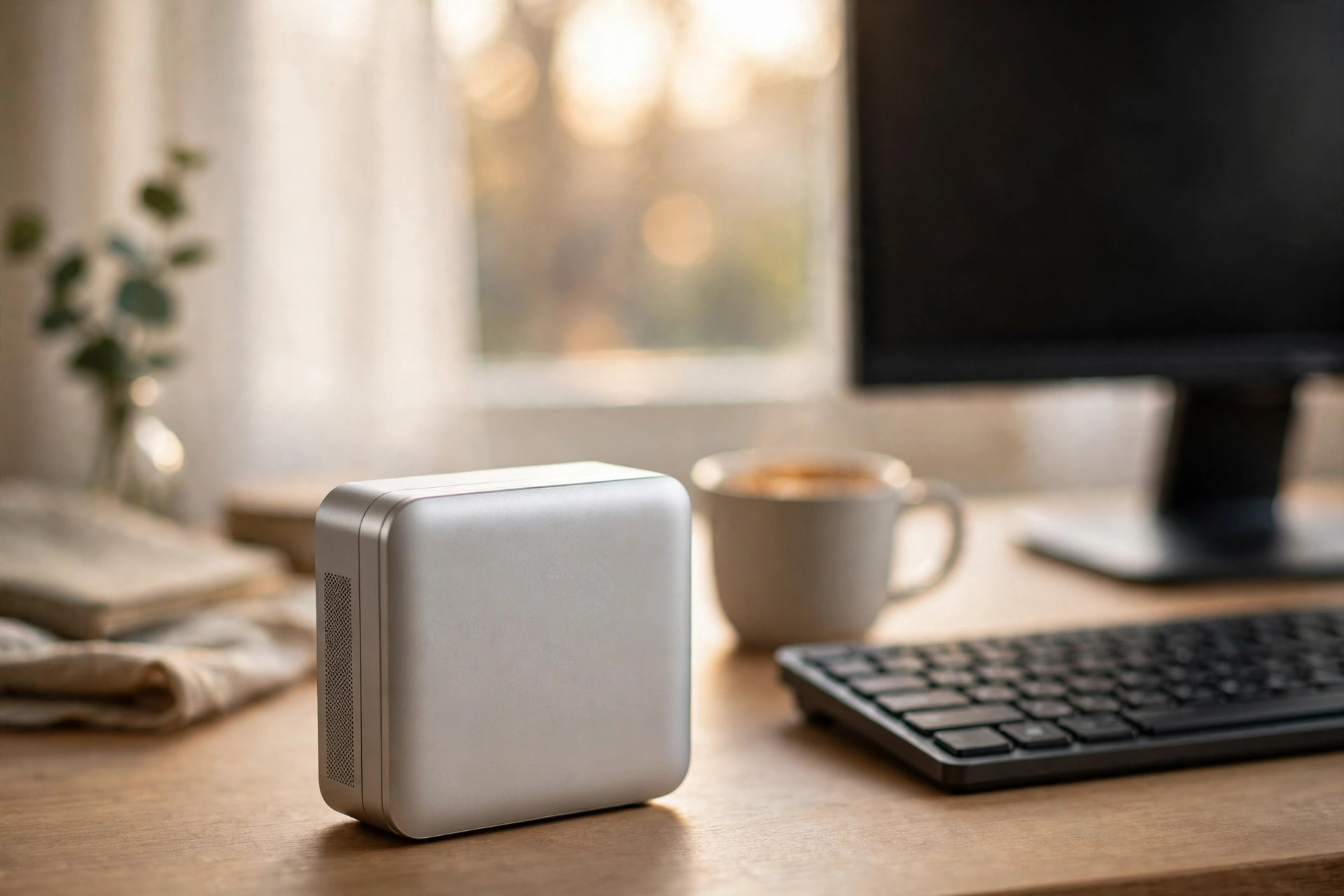
WOOSTER, Ohio — Mark Kline of Wooster was awake before his alarm on Tuesday, coffee in hand, credit card on the kitchen table, waiting for Apple's online store to open pre-orders for the new Mac mini. By 8:30 a.m. he had ordered the base model with the new M6 chip for $899, and by 8:45 he was explaining to his wife, Susan, why a computer the size of a sandwich was, in his words, "an investment in the household's creative future."
"It is the size of a sandwich and it is four times faster at AI than my old one," Mark said, gesturing at the empty spot on his desk where the new machine will sit when deliveries begin September 22. "I don't know what AI it is doing, but it is doing it four times faster." Susan, who teaches at the College of Wooster and has watched Mark buy three different computers to organize the same folder of vacation photos, was less convinced. "He has owned the old Mac mini for eighteen months and never once edited a photo on it," she said. "Now he says he needs the M6 because of the neural accelerators."
Mark has already cleared the desk, bought a new cable, and told the guys at the Wayne County Fairgrounds car show that his computer will soon be able to run AI models entirely on device, a sentence he admits he only half understands. The old Mac mini, meanwhile, has been demoted to the basement, where it will serve as what Mark calls "a media server" and Susan calls "a very expensive paperweight with a power cord."
“It is the size of a sandwich and it is four times faster at AI than my old one. I don't know what AI it is doing, but it is doing it four times faster.”
— Mark Kline, Wooster
“He has owned the old Mac mini for eighteen months and never once edited a photo on it. Now he says he needs the M6 because of the neural accelerators.”